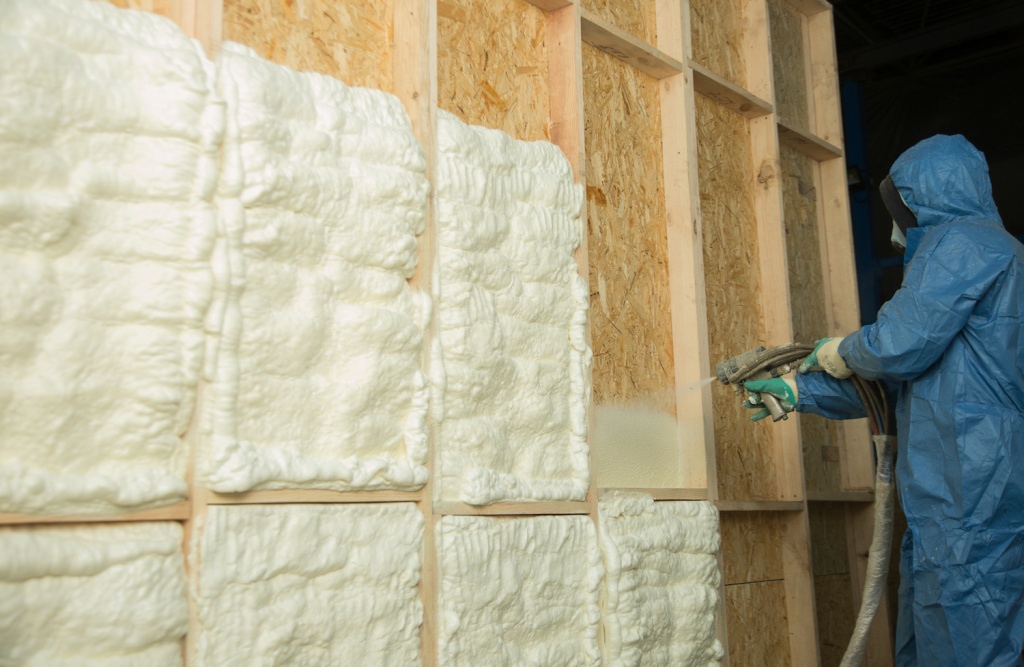
In the ever-evolving world of home improvement, spray foam insulation has emerged as a revolutionary solution for enhancing energy efficiency and comfort in residential and commercial buildings. This innovative insulation material is not only effective in reducing energy bills but also plays a crucial role in minimizing outdoor noise and controlling moisture—two key factors in maintaining a healthy indoor environment. As homeowners and builders seek sustainable and economically viable options, spray foam insulation has become a preferred choice for many seeking long-term benefits.
Understanding the unique characteristics of spray foam insulation is essential for anyone considering it for their property. Made from a mixture of chemicals that expand upon application, this insulating material conforms to irregular shapes and fills gaps and cracks, ensuring a comprehensive thermal barrier. In this article, we will delve into the various types of spray foam insulation, their installation processes, benefits, and potential drawbacks, providing readers with a well-rounded perspective to inform their decision-making.
Benefits of Spray Foam Insulation
One of the primary advantages of spray foam insulation is its exceptional air sealing capabilities, which help to eliminate draftiness and reduce energy loss in homes and commercial spaces. This improved energy efficiency translates to lower heating and cooling costs, making it a financially wise investment. Additionally, spray foam insulation provides excellent soundproofing properties, significantly minimizing the transmission of noise from outside, thereby creating a more peaceful indoor environment. For those in search of high-quality installation services, consider exploring Efficient Spray Foam Insulation Services in Greenville that can ensure a thorough application process.
Types of Spray Foam Insulation
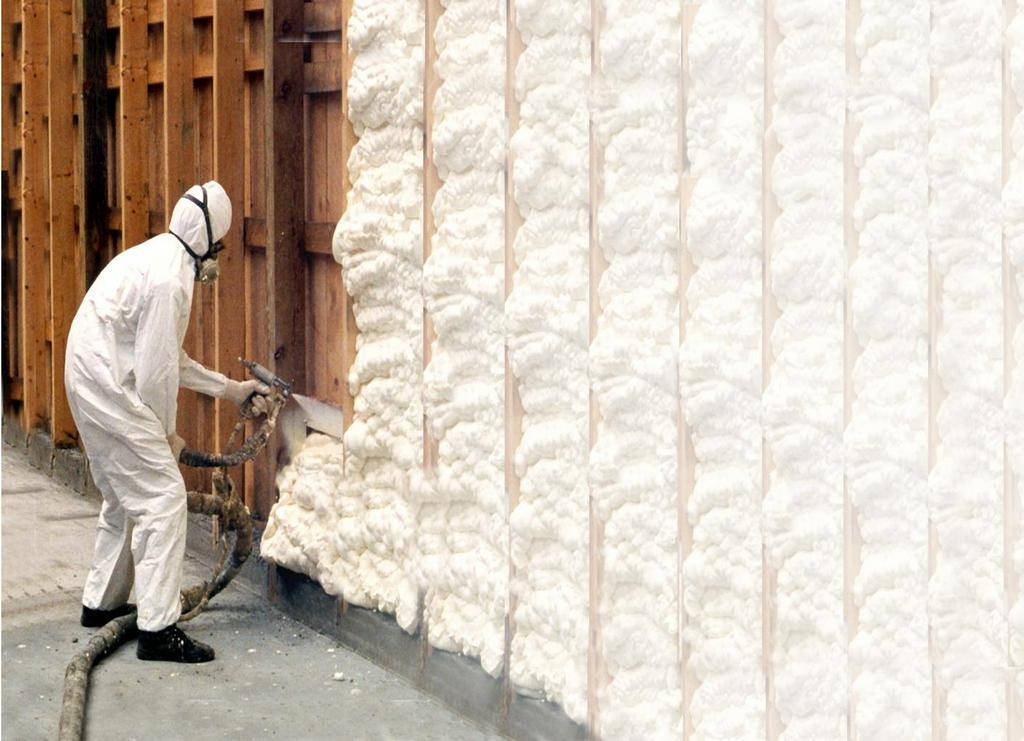
Spray foam insulation is typically categorized into two main types: open-cell and closed-cell. Open-cell foam is lighter and more flexible, making it ideal for interior applications, while closed-cell foam is denser and provides higher insulation values, making it suitable for areas exposed to moisture or requiring additional structural support. Understanding the differences between these types can help homeowners and builders choose the right solution based on their specific needs and environmental conditions, ultimately maximizing the benefits of their insulation investment.
In conclusion, spray foam insulation stands out as a versatile and effective insulation solution, offering a myriad of benefits that enhance both energy efficiency and overall indoor comfort. Its superior air sealing properties not only contribute to lower energy costs but also create a healthier living environment by reducing drafts and controlling moisture levels. By selecting the appropriate type of spray foam—be it open-cell for flexibility or closed-cell for moisture resistance—homeowners and builders can tailor their insulation choices to meet unique requirements. With its ability to improve soundproofing and provide structural support, spray foam insulation proves to be a wise long-term investment for anyone looking to improve their property’s efficiency and comfort. As the demand for sustainable building practices continues to rise, spray foam insulation is poised to play an integral role in shaping the future of home and commercial construction.
Leave a Reply